

If you have searched “under eye wrinkles” you are probably staring at a mirror, not a medical journal. You want two honest answers: why are they there, and what genuinely reduces them without wasting money. This guide gives you both, in plain English, with real 2026 UK pricing and an honest evidence rating for every option.
We are an independent, evidence-first skin reference. We are not a clinic and we do not sell treatments, so we have no reason to push you toward the most expensive option. Where a cheap cream is the sensible first move, we will say so. Where a treatment is oversold, we will say that too.
Table of Contents
- 1 What’s the best treatment for under-eye wrinkles?
- 2 What causes under eye wrinkles
- 3 The honest hierarchy: start cheap, escalate only if needed
- 4 Treatment comparison: retinol vs tretinoin vs microneedling vs tear trough filler vs botox vs laser
- 5 How to choose: match the treatment to the problem
- 6 What about eye creams, caffeine and home remedies?
- 7 When to see a GP or dermatologist
- 8 Frequently asked questions
- 9 Sources
What’s the best treatment for under-eye wrinkles?
The short answer
For fine surface lines, the best-value treatment is a retinoid (an over-the-counter retinol eye cream from about £8 to £35, or prescription tretinoin from around £20 to £30 a month) plus daily SPF. These do more than most people expect and cost a fraction of injectables. They will not fix everything: dynamic “crow’s feet” that appear when you smile respond best to botox (around £120 to £180 around the eyes), a hollow or shadow (a tear trough) needs filler (about £349 to £800 in the UK, not a cream), and deep etched lines may need fractional laser. The honest truth is that under-eye lines are mostly normal ageing, so the realistic goal is to soften them and slow new ones, not erase them. Anyone promising permanent results is overselling.
- Fine surface lines: retinol or prescription tretinoin
- Hollows and shadows: tear trough filler, not creams
- Dynamic crow’s feet: botox
- Costs run from ~£10 creams to £200–£800 clinic treatments
If you only take one thing from this page: match the treatment to the problem. Most of the money wasted on under-eye treatment is spent on the wrong fix, for example buying filler for surface lines or expensive creams for a hollow.
What causes under eye wrinkles
The skin under your eyes is the thinnest on your face, which is exactly why it creases first. A few things drive it:
- Collagen and elastin loss. From your mid-twenties onward your skin makes less collagen and elastin, the proteins that keep skin firm and springy. Thinner, less elastic skin folds more easily. This is the main driver and it is part of normal ageing (NHS: Wrinkles).
- Sun exposure (photoageing). UV breaks down collagen and is the single biggest *modifiable* cause of premature wrinkles. The British Association of Dermatologists is clear that sun protection is the most effective anti-ageing step available.
- Repeated muscle movement. Squinting, smiling and frowning crease the skin thousands of times. Over years, “dynamic” lines (only visible when you move) can become “static” lines (visible at rest).
- Smoking. Tobacco accelerates collagen breakdown and is linked to earlier, deeper facial wrinkling (British Association of Dermatologists).
- Genetics, sleep position and dehydration. These influence how early and how deeply lines form, though they are harder to control.
Wrinkles vs hollows vs dark circles
People lump these together, but they need different fixes, so it is worth separating them before you spend anything:
- Wrinkles / fine lines: creasing of the skin itself. Helped by retinoids, resurfacing and muscle-relaxing injections.
- Tear trough hollows: a shadowed groove between the lower lid and cheek, often from volume loss. Creams will not fix this; it is the classic case for filler. See our guide to tear trough fillers.
- Dark circles / puffiness: often pigment, blood vessels or fluid, not wrinkles at all. Treating these is a separate topic.
If your main concern is a shadow or hollow rather than a crease, scroll to the filler section, because retinoids and the best eye cream for wrinkles will both disappoint you.
The honest hierarchy: start cheap, escalate only if needed
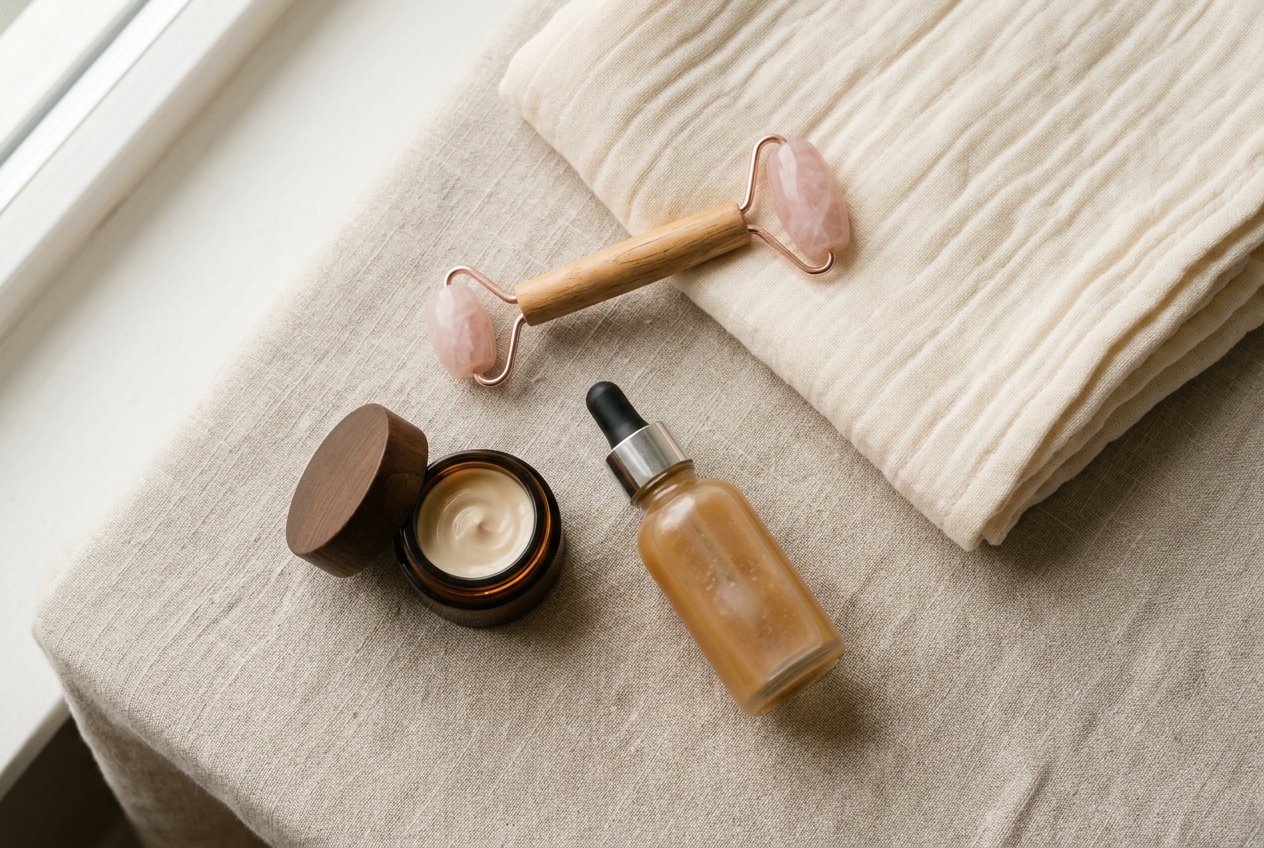
Before the detailed comparison, here is the sensible order of operations most people should follow when working out how to get rid of under eye wrinkles:
1. Protect first. Daily broad-spectrum SPF and stopping smoking do more long-term good than any single treatment, and they cost very little. 2. Try topicals for 3 to 6 months. A retinoid (over-the-counter retinol, or prescription tretinoin) is the best-evidenced at-home option for fine lines. Give it a proper trial before spending more. 3. Consider in-clinic procedures only if topicals plateau and the concern justifies the cost and downtime. This is where microneedling, botox, filler and laser come in.
Most of the money wasted on under-eye treatment is spent skipping straight to step three for lines that step two would have softened.
Treatment comparison: retinol vs tretinoin vs microneedling vs tear trough filler vs botox vs laser
This table is the heart of the guide. Costs are real UK 2026 figures from retailer and clinic price pages (see the prices note at the foot of the page); confirm with a provider before booking, because prices vary widely by clinic and city. The evidence rating reflects how well each option is supported for *fine under-eye lines specifically*, not for wrinkles in general.
| Treatment | Best for | Typical UK cost (2026) | Downtime | How long results last | Evidence rating |
|---|---|---|---|---|---|
| Retinol (OTC) | Fine surface lines, prevention | About £8 to £35 per eye cream (e.g. The INKEY List ~£10, No7 ~£16, RoC ~£20, Olay ~£14) | None (mild flaking/redness early on) | Ongoing while used | Good for fine lines |
| Tretinoin (prescription) | Fine to moderate lines, texture | About £20 to £30 a month via UK telehealth (Dermatica from £24.99/mo) | None to mild (peeling, irritation early on) | Ongoing while used | Strong for fine lines |
| Microneedling | Texture, mild crepiness | About £150 to £300 per session, usually a course of 3 to 6 (courses ~£300 to £1,800) | 1 to 3 days redness | Months; needs repeat courses | Moderate |
| Tear trough filler | Hollows/shadows, not creases | About £349 to £800 per session (up to ~£1,500 at premium London clinics) | Bruising/swelling, often up to ~1 week | About 6 to 18 months | Good for hollows, not for fine lines |
| Botox (around eyes) | Dynamic crow’s feet | About £120 to £180 for the crow’s feet area | Minimal | About 3 to 4 months | Strong for dynamic lines |
| Fractional laser | Etched static lines, texture | About £200 to £500+ per session, often a course of 3 | Several days redness/peeling | Long, but ageing continues | Strong, higher cost/downtime |
A note before the details: the under-eye area is delicate and higher-risk than the rest of the face for injectables and energy devices. Who does your treatment matters as much as which treatment you choose.
Retinol (over the counter)
What it is: A vitamin A derivative sold in eye creams and serums without a prescription. It nudges skin to renew faster and supports collagen over months. It is the active behind most claims for the best eye cream for wrinkles.
The honest take: Retinol is the most cost-effective starting point for genuine fine lines. It will not erase deep creases or fix hollows, and it works slowly: expect to use it consistently for several months before judging it. Start two or three nights a week to let your skin adjust, since the thin under-eye area irritates easily. Pair it with daily SPF, because retinoids can increase sun sensitivity and SPF is doing half the anti-ageing work anyway (DermNet: Topical retinoids).
Cost: Most retinol eye creams on Amazon UK and at Boots sit between about £8 and £35. Budget picks include The INKEY List Retinol Eye Cream (around £10), Olay Retinol24 (around £14) and No7 Pure Retinol Eye Cream (around £16); RoC Retinol Correxion is around £20; premium options like Medik8 Crystal Retinal or Murad run from roughly £30 to £58. Downtime: none, though mild flaking or redness is common early on. Evidence: good for fine lines.
Tretinoin (prescription retinoid)
What it is: A stronger, prescription-only retinoid. In the UK it is licensed for acne and is sometimes used off-label for photoageing; it is increasingly available through private telehealth services. It is the same family as retinol but more potent and better studied for wrinkle reduction.
The honest take: If over-the-counter retinol plateaus, tretinoin is the logical next step and it is far cheaper than any procedure. The trade-off is irritation: peeling, redness and dryness are common in the first weeks, especially around the eyes, so build up slowly and use a buffering moisturiser. It is prescription-only for good reason and is not suitable in pregnancy. Get it through a legitimate UK prescriber, not an unregulated overseas seller.
Cost: UK telehealth services that include prescription tretinoin in a personalised formula typically run about £20 to £30 a month. Dermatica advertises plans from £24.99 a month (with a discounted first month), and Skin + Me is priced similarly. Downtime: none to mild, though irritation early on is normal. Evidence: strong for fine lines.
Microneedling
What it is: A device rolls or stamps tiny controlled punctures into the skin to trigger a healing response that builds collagen. Also called collagen induction therapy.
The honest take: Microneedling is a reasonable mid-tier option for overall texture and mild crepey under eye skin, but it is not a magic eraser for under-eye lines and it almost always needs a course rather than one session, plus maintenance. Around the eye it must be done carefully and conservatively. Home “derma-roller” kits are not the same as professional treatment and carry an infection risk if used poorly.
Cost: UK clinics commonly charge about £150 to £300 per session (sk:n lists from around £175, London Premier Laser quotes £150 to £500), usually as a course of 3 to 6, with full courses often £300 to £1,800. Downtime: one to three days of redness. Evidence: moderate.
Tear trough filler
What it is: A hyaluronic acid gel injected into the hollow (the tear trough) between the lower lid and cheek to reduce shadowing and the tired, sunken look.
The honest take: This is the right tool only if your concern is a hollow or shadow, not surface creasing. For the right candidate it can be transformative; for the wrong one it does nothing for the actual wrinkles. The under-eye is one of the trickier, higher-risk areas to fill: complications include lumpiness, prolonged swelling, a bluish tinge (the Tyndall effect) and, rarely, more serious vascular problems. The NHS stresses choosing a properly qualified, insured practitioner and points out that hyaluronic acid filler can usually be dissolved if there is a problem (NHS: Dermal fillers). This is not a treatment to choose on price alone. Read our full breakdown before booking: tear trough fillers.
Cost: UK clinics typically charge about £349 to £800 per session (London Beauty Clinic lists £349, sk:n from £390, with The Harley Street Skin Clinic citing an average of £350 to £800), rising to around £1,500 at premium London clinics. Downtime: bruising and swelling, often up to about a week. Results last: about 6 to 18 months before a top-up. Evidence: good for hollows, not for fine surface lines.
Botox (anti-wrinkle injections)
What it is: A muscle-relaxing injection (botulinum toxin) that softens lines caused by movement. Around the eyes it is mainly used for crow’s feet at the outer corner.
The honest take: Botox is well-evidenced and effective for *dynamic* lines (the ones that appear when you smile or squint), but it is much less useful for fine static lines directly under the eye, and injecting too low on the lower lid can cause problems. A good practitioner will tell you which of your lines it can and cannot help. It is a prescription-only medicine in the UK and must be prescribed by a qualified professional; effects are temporary and wear off, so it is an ongoing commitment (NHS: Botox).
Cost: UK clinics typically charge about £120 to £180 for botox to the crow’s feet area (The Harley Street Skin Clinic cites £120 to £180; some Harley Street clinics charge more per area). Downtime: minimal. Results last: about 3 to 4 months before repeat treatment. Evidence: strong for dynamic lines.
Fractional laser resurfacing
What it is: A laser creates controlled micro-zones of injury in the skin to stimulate new collagen and resurface texture. “Fractional” means it treats a fraction of the skin at a time, which shortens recovery compared with older full-resurfacing lasers.
The honest take: Laser is among the more powerful options for etched, static under-eye lines and texture, but it sits at the higher end for both cost and downtime, and it usually needs a course plus maintenance. Risks include redness, peeling and, particularly relevant in the UK’s diverse population, pigment changes in darker skin tones if the wrong settings or device are used. Practitioner skill and device choice matter enormously here. It is best considered after topicals and for genuinely set-in lines rather than mild ones.
Cost: UK clinics commonly charge from about £200 to £500+ per session for fractional resurfacing, often as a course of around 3 (exact pricing depends heavily on the device and area). Downtime: several days of redness and peeling. Evidence: strong, with higher cost and downtime.
How to choose: match the treatment to the problem
Quick decision guide based on what you actually see in the mirror:
- Fine surface lines, nothing too deep: Start with a retinoid (OTC retinol, then tretinoin if needed) plus daily SPF. Give it months before escalating.
- Lines that only show when you smile or squint (crow’s feet): Botox is the best-matched option.
- A hollow, shadow or “tired” sunken look rather than creases: This is a tear trough issue, so consider filler, not creams.
- Crepey texture and overall dullness: Microneedling or laser, ideally on top of a good topical routine.
- Deep, etched static lines: Fractional laser is the strongest option, usually after topicals have been tried.
Often the realistic answer is a *combination* (for example, a retinoid at home plus an in-clinic procedure), and a good practitioner will say so rather than pushing one product. If you are also noticing sagging lower down the face, our guide to jowls treatments covers where firming and lifting options actually help.
What about eye creams, caffeine and home remedies?
Most under-eye creams that are not retinoids work mainly by hydrating and temporarily plumping the skin, which softens the *look* of fine lines without changing the underlying skin. That is not worthless: hydration genuinely improves appearance day to day, and a CeraVe or Neutrogena hydrating eye cream (around £6 to £8 in the UK) does this cheaply. Just be clear about what you are buying. Ingredients with some supporting evidence for the eye area include retinoids (the strongest), vitamin C, peptides and caffeine (for puffiness more than wrinkles). Home remedies like cucumber slices or facial taping do not reduce wrinkles in any lasting way. The two free interventions that genuinely work are wearing SPF every day and not smoking.
When to see a GP or dermatologist
Under-eye wrinkles themselves are cosmetic, not a medical problem, so the NHS does not treat them. But book an appointment with a GP or dermatologist if:
- A lump, lesion, mole or persistent sore appears around the eye or eyelid, or an existing one changes, bleeds or does not heal. This needs checking, not a wrinkle treatment.
- You have sudden swelling, drooping of an eyelid, or vision changes (seek urgent care).
- You develop a problem after a cosmetic procedure, such as severe pain, prolonged swelling, blanching of the skin or vision changes. Treat this as urgent and contact the practitioner and, if needed, NHS 111 or A&E.
- You simply want unbiased advice on whether a procedure is appropriate for your skin before spending money.
If you are considering any injectable or laser treatment, choosing a properly qualified, insured and regulated practitioner is the most important safety decision you will make. Our guide on how to see a dermatologist in the UK explains your NHS and private routes.
Frequently asked questions
How do you get rid of under eye wrinkles?
Can you get rid of under eye wrinkles permanently?
What is the best eye cream for under eye wrinkles in the UK?
Will filler get rid of my under-eye wrinkles?
Is botox or filler better for under-eye lines?
Are under-eye treatments safe?
Sources
- NHS: Wrinkles
- NHS: Dermal fillers (cosmetic procedures)
- NHS: Botox (cosmetic procedures)
- British Association of Dermatologists: patient information on skin ageing and sun protection
- DermNet: Topical retinoids; Skin ageing
- NICE: guidance on cosmetic procedures
- UK retailer and clinic price pages, accessed June 2026: Amazon UK (retinol eye cream listings), sk:n Clinics, The Harley Street Skin Clinic, London Premier Laser & Skin Clinic, London Beauty Clinic, Dermatica (cited as price examples, not endorsements)